How Libraries Are Rebuilding Civic Connection
A Civic Engagement Story
How Libraries Are Rebuilding Civic Connection
With the Urban Libraries Council
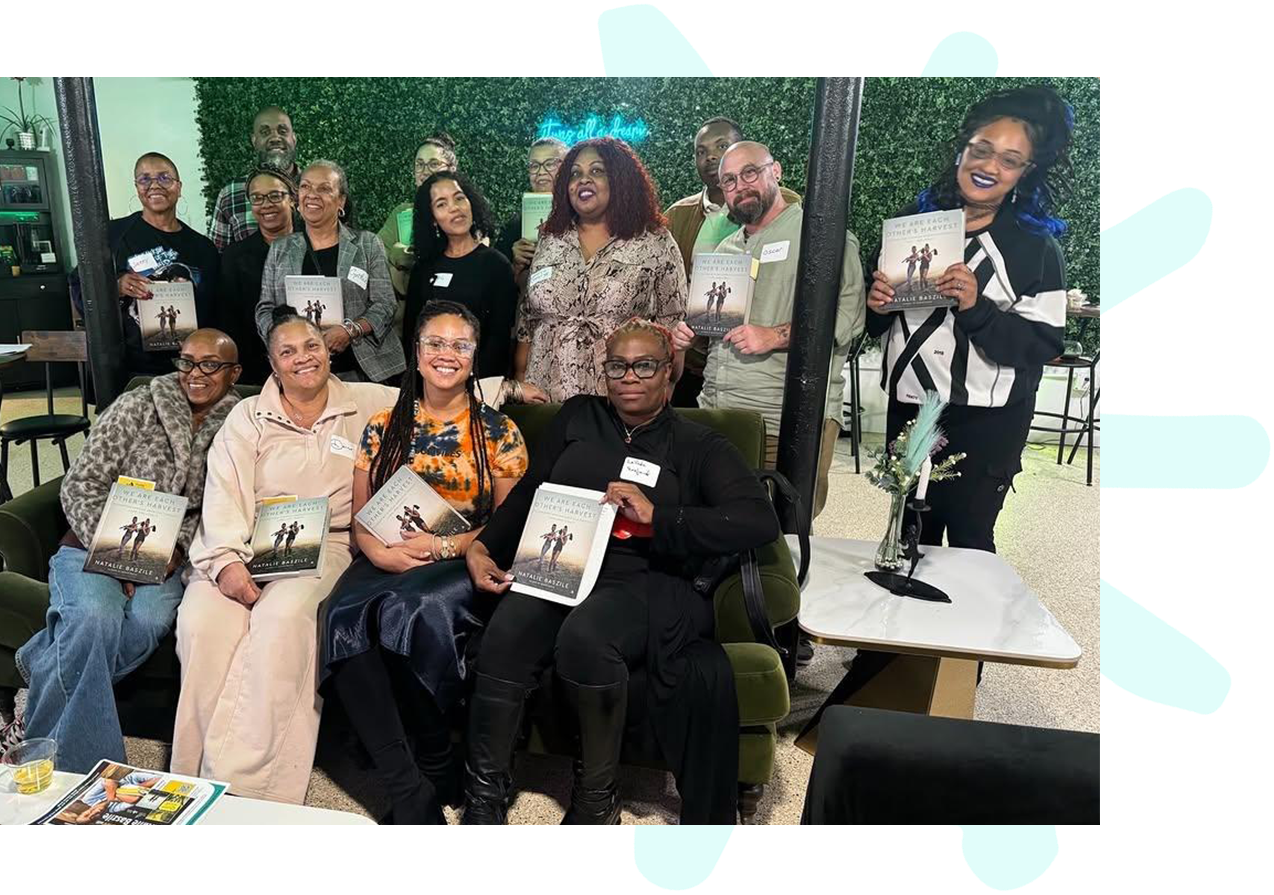
Even after nearly two decades leading community engagement programs at public libraries, Oscar still felt nervous walking into the room. The San Diego Public Library’s long-running “Book Talks” series often surfaced deeply held emotions and disagreements. Tonight’s discussion—part of the library’s annual Black History Month Author Talk series—centered on dispossession, racial justice, and food sovereignty through Natalie Baszile’s Queen Sugar and We Are Each Other’s Harvest.
“We’ve had people show up to author talks and attempt to shout down the author. We’ve had people make inappropriate comments where we had to cut the mic,” Oscar recalled. “I had a lot of anxiety around that. Like, is there gonna be harm created from this program that I do?”
But this conversation unfolded differently.
“It was unlike any program I’d ever done. I was unprepared for the connection I’d have and the shared responsibility that I’d feel.”
—Oscar Gittemeier, San Diego Public Library
In his pocket, Oscar carried a small guide from Everyday Democracy’s multipartial facilitation training—his “cheat sheet,” as he called it. Over the past several months, he had joined library leaders from across North America in a partnership between Everyday Democracy and the Urban Libraries Council to learn new ways of leading community conversations across difference that build connection and increase civic participation. Multipartial facilitation centers voices and experiences that are often unheard or excluded, helping communities move through difficult conversations with greater understanding, balance, and trust.
Oscar and his colleagues designed their event intentionally. They partnered with community organizations, hosted the discussion in a free co-working space in the city’s Black Arts and Culture District, and brought in a co-facilitator from the community.
What unfolded surprised him.
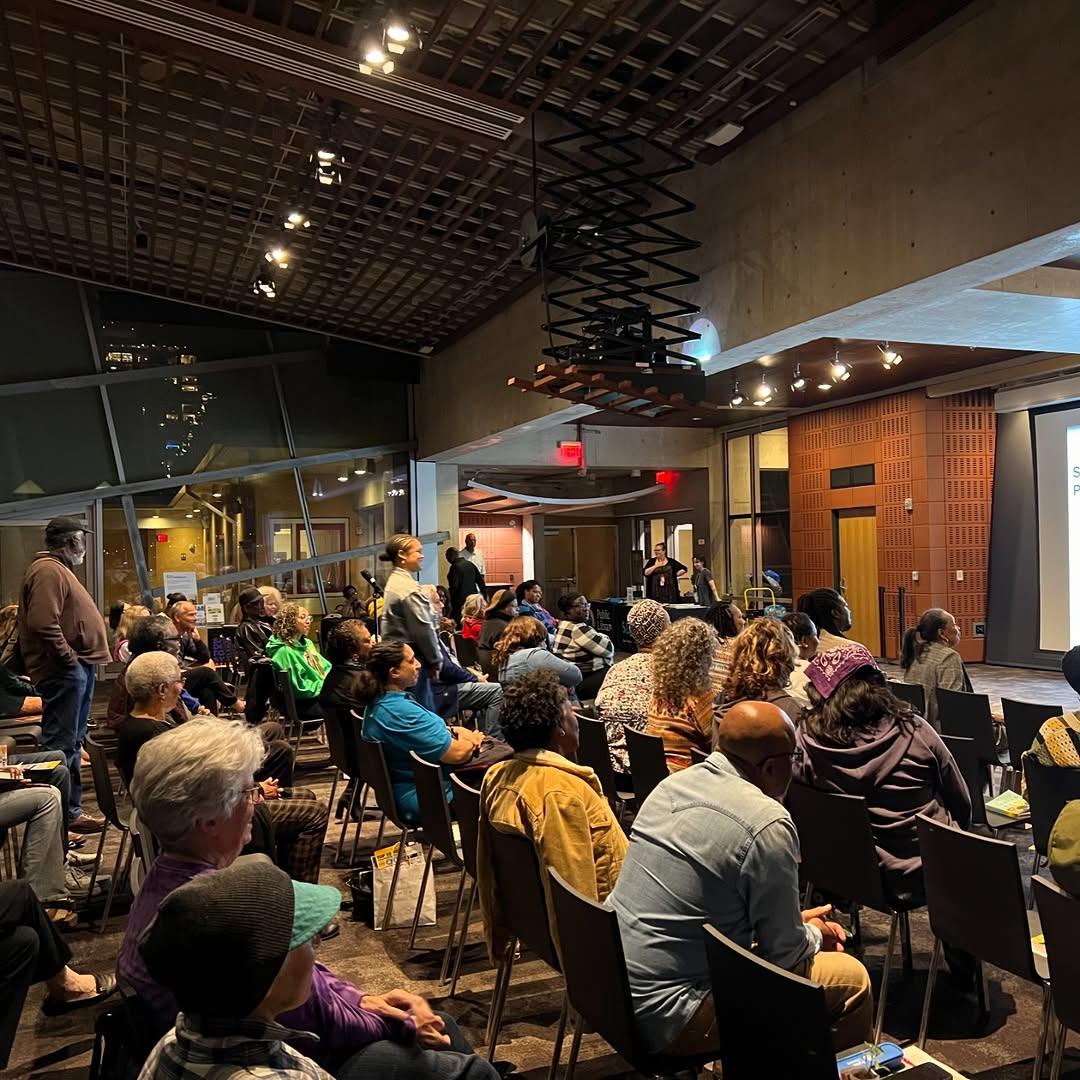
Neighbors listened deeply to one another. Participants who had never met shared painful family histories of dispossession and displacement, sometimes bringing photographs, heirlooms, and personal artifacts into the conversation. Stories about the past opened pathways to understanding present-day housing inequities and gentrification in San Diego.
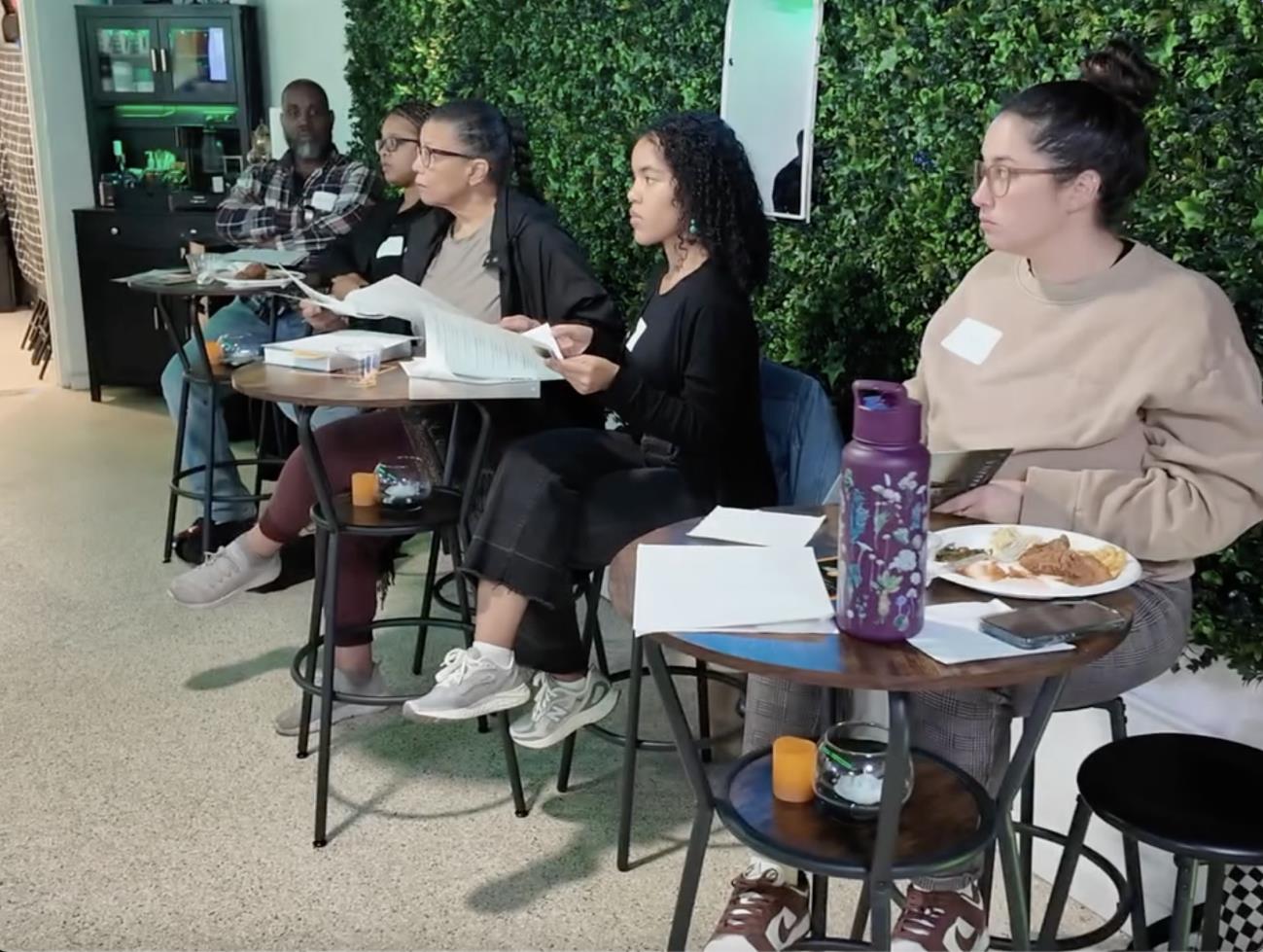
San Diego Public Library Book Talk attendees discuss past and current dispossession and displacement.
“It was just so powerful to hear about what families had done to maintain property in this city,” Oscar said. “And then realizing that that same dispossession is recreating itself in our urban environments, where Black families are being dispossessed of their homes in this wildly expensive city.”
The conversation also sparked new relationships and deepened existing ones between the library and local organizations focused on food justice, environmental justice, and Black community advocacy—laying groundwork for continued collaboration.
“It was unlike any program I’d ever done,” Oscar reflected later. “I was unprepared for the connection I’d have and the shared responsibility that I’d feel.”
For Oscar, the experience transformed not only the event itself, but how he understands facilitation and the role libraries can play in civic life.
At a time when public conversations often deepen division instead of connection, thriving multiracial democracies need vibrant public spaces where people can gather, listen, and engage across difference. As trusted public institutions, libraries are uniquely positioned to serve that role. More than book havens, they are community hubs that foster dialogue, strengthen civic trust, and help people navigate grief, tension, uncertainty, and rapid social change in real time.
“Librarians hold hard emotional work—they are not just stewards of information,” noted Maggie Tarbox, Program Manager at Everyday Democracy.
To support that work, Everyday Democracy and the Urban Libraries Council launched a multi-year partnership in 2025 to train 50 library staff members in multipartial facilitation. Across twelve participating library systems, staff are learning how to design conversations that widen participation, balance power dynamics, and help communities stay present with difficult issues rather than shutting down or rushing to easy answers.
Across the cohort, libraries are applying those practices to fit their own communities. In Austin, that looked less like a formal civic forum and more like a neighborhood gathering rooted in culture, creativity, and belonging.
“People were having these really important, heartfelt conversations where people could be really open and honest.”
—Paul Lopez, Austin Public Library
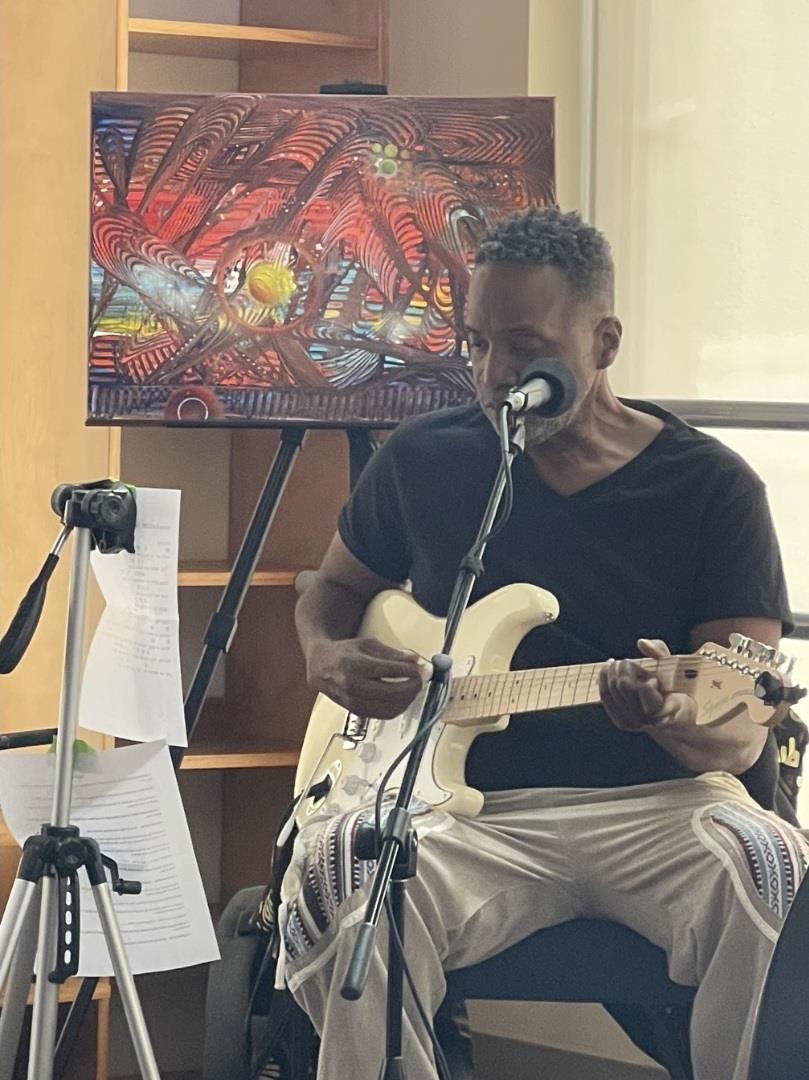
The Austin Public Library co-created a community conversation during the Week of Racial Healing alongside the African American Cultural Heritage Facility and Austin Community College. The gathering felt less like a formal civic event and more like a neighborhood celebration. A spoken word artist performed while a musician played live music. Residents explored an AI art demonstration. Food awaited neighbors as they settled into conversation together. Organizers intentionally invited people whether or not they had library cards or existing ties to the sponsoring organizations. They wanted the room to reflect the broader community—and it did.
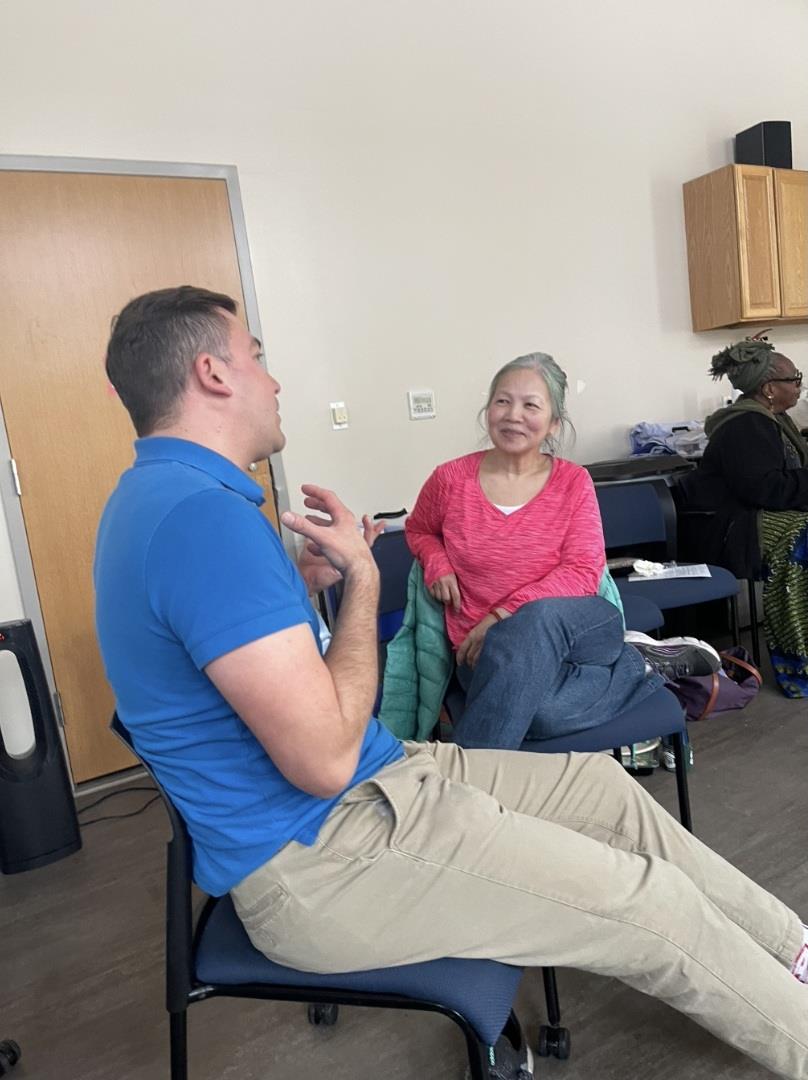
Paul and Carmaleta, the library staff facilitating the event, drew directly from their multipartial facilitation training. Rather than pushing the conversation forward too quickly, they made space for quieter voices, welcomed a range of perspectives and emotions, and centered the experiences of people most affected by the issues being discussed.
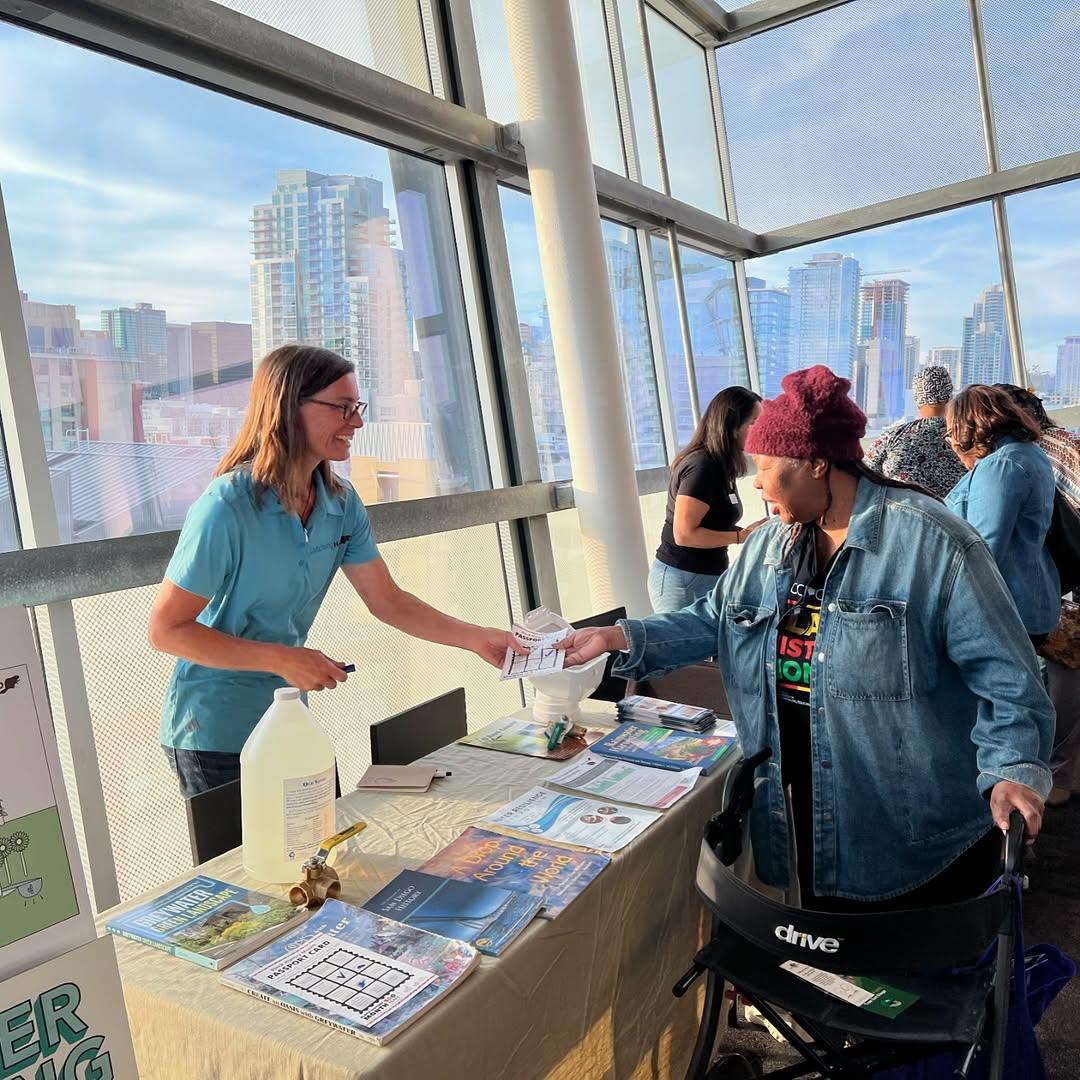
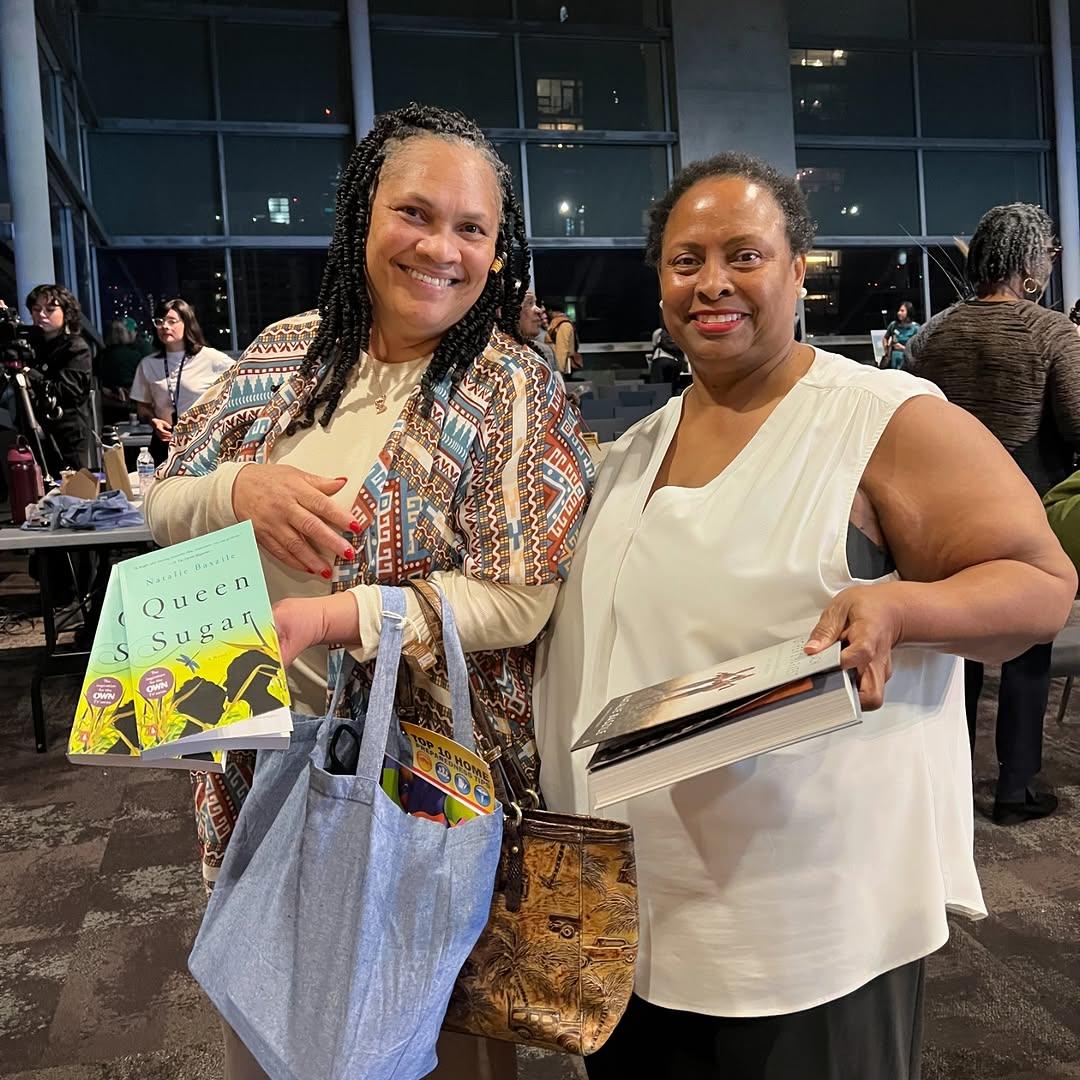
Visitors to the San Diego Public Library share civic information related to an author talk.
“People were having these really important, heartfelt conversations where people could be really open and honest,” Paul shared.
One practice from the training became especially meaningful: leaving an empty chair at the table to represent the voices missing from the conversation. The chair served as a reminder that every dialogue contains perspectives not yet present and stories still unheard.
In San Diego, the room filled so quickly that someone eventually took the final empty seat.
“A great problem to have!” Oscar said with a smile. “But I love the symbolism of acknowledging there will always be a voice that is not at this table.”
That principle—that no facilitator is the expert on other people’s lives—became central to Oscar’s approach.
“Going in, you don’t have to be the expert,” he reflected. “People are the experts of their own lives, and if you’re open to that, you’re going to have a better program.”
The physical spaces themselves also reflected multipartial facilitation’s emphasis on accessibility, belonging, and shared ownership. Facilitators intentionally welcomed families with children and provided food. For Oscar, the atmosphere in San Diego reminded him of sitting nearby while adults gathered around a kitchen table when he was a child.
“This feels like family,” he said. “This feels like home. This feels like that third space we’re always looking for.”
What Oscar experienced in San Diego, and what library staff across the cohort are building, is more than a new facilitation technique. It is a growing practice of shared responsibility: for one another, for public dialogue, and for the communities libraries help hold together.
At a time when democracy is strained by division, disconnection, and distrust, libraries are showing what it can look like to create spaces where people feel heard, valued, and connected across difference. By helping communities gather, listen, and imagine together, these librarians are not only strengthening conversations—they are strengthening the civic fabric that democracy depends on.
More Photos